Essential Guide to Boiler Installation Ealing: Choosing the Right System for Your Home
Why Proper Boiler Installation Matters in Ealing
I have worked on heating systems across London for over a decade, and Ealing presents its own set of challenges. The housing stock here is a mix of Victorian conversions, post-war semis, and modern flats. Each type demands a different approach to boiler installation. A system that works perfectly in a 1980s cul-de-sac house might be a nightmare in a listed building near Ealing Common. Getting the installation right from the start saves you from callbacks, high energy bills, and the risk of carbon monoxide leaks. In this guide, I will walk through the practical decisions you need to make when planning a boiler installation Ealing project, drawing on real scenarios I have encountered on the job.
Assessing Your Property and Heating Needs
Before you choose a boiler, you have to understand what your property actually needs. I once visited a house in Ealing Broadway where the owners had bought a powerful combi boiler without checking their water pressure. The result was weak showers and a system that short-cycled constantly. A good installer will start by measuring your heat loss, checking your existing pipework, and noting how many bathrooms you have. For a typical three-bedroom Victorian terrace in Ealing, a 24 to 30 kW combi boiler often does the job well, especially if you have a modern shower. But if you have a large family home with two bathrooms and a separate en-suite, you might be better off with a system boiler paired with a hot water cylinder. That setup gives you better flow rates and can supply multiple showers at once.
Another factor is your radiators. Many older properties in Ealing still have single-panel radiators that struggle to output enough heat. During a boiler replacement, you should consider upgrading to double-panel or even triple-panel radiators with thermostatic radiator valves. This allows you to zone your heating, so you are not wasting energy on empty rooms. A smart thermostat can then tie everything together, letting you control the system from your phone and set schedules that match your daily routine.
Types of Boilers and Their Best Applications
Combi Boilers
Combi boilers heat water directly from the mains, so there is no need for a hot water cylinder or a cold water tank in the loft. This makes them a popular choice for flats and smaller houses where space is tight. Brands like Vaillant and Worcester Bosch make reliable combi units that are easy to install and maintain. However, if you have more than one bathroom, the flow rate can drop when two taps are open at once. I have seen this cause problems in HMO properties where tenants expect simultaneous showers. In those cases, a different approach might be better.

System Boilers
System boilers include a built-in pump and expansion vessel, and they work with an external hot water cylinder. This setup provides a higher flow rate for multiple outlets and can store hot water for later use. For a landlord with a five-bedroom HMO in Ealing, a system boiler from Baxi or Ideal Heating is often the right call. The cylinder can be sized to match the number of tenants, and the boiler itself runs efficiently because it does not have to fire up every time someone turns on a tap. The downside is that you need space for the cylinder, which is not always available in a compact flat.
Heat-Only Boilers
Heat-only boilers are simpler units that just handle central heating. They are less common in modern installations because combi and system boilers have become more versatile. But I still see them specified for large commercial systems or for properties where the hot water is handled by a separate source, like solar thermal panels. If you are doing a boiler installation Ealing in a period property that already has a robust hot water cylinder, a heat-only boiler might be the most cost-effective option.
Condensing Boilers
Almost all new boilers sold today are condensing boilers. They capture heat from the flue gas that would otherwise escape up the chimney, boosting efficiency to over 90%. This is a legal requirement under current building regulations. If you are replacing an old non-condensing boiler, you will notice an immediate drop in gas usage. The flue system also changes: condensing boilers need a plastic or stainless steel flue that can handle the acidic condensate. An installer registered with Gas Safe Register will know how to route this properly, especially in a conservation area like Ealing where external flues might need planning permission.
Choosing the Right Brand
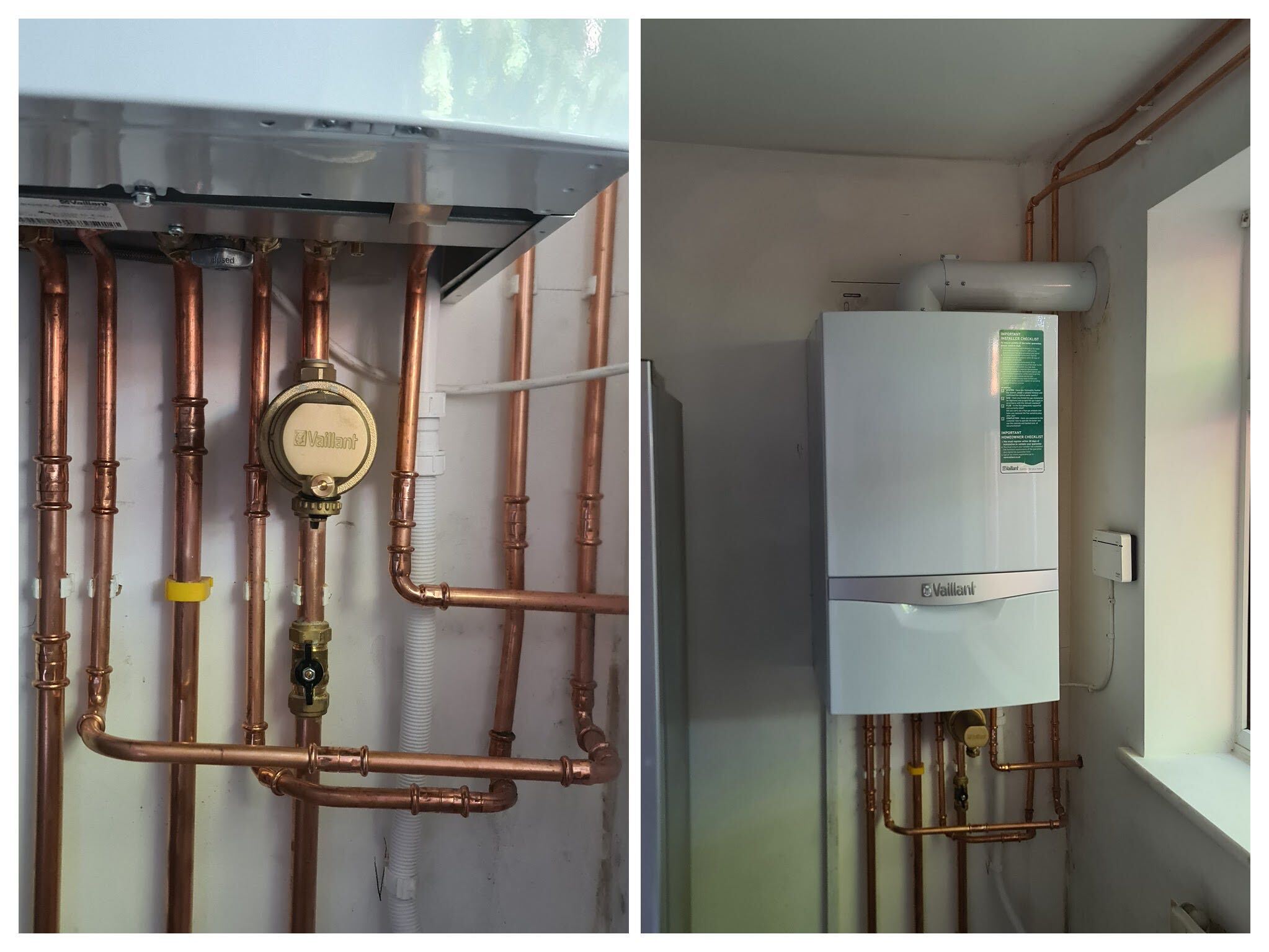
Over the years, I have fitted and serviced almost every major brand. Vaillant is a solid choice for reliability and efficiency, and their ecoTEC range is particularly good for modulating output to match demand. Worcester Bosch has a strong reputation for customer support and long-lasting parts. Baxi offers good value for money, especially for landlords managing multiple properties. Ideal Heating and Glow-worm also have their loyal followings, though I have found that Glow-worm units can be more fiddly to service in tight spaces. The key is to pick a brand that has a local service engineer in London. If something goes wrong in January, you do not want to wait a week for a part that nobody stocks in Ealing.
Dealing with Regulations and Certificates
Boiler installation in London is tightly regulated, and for good reason. A gas boiler that is not installed correctly can leak carbon monoxide or cause a gas explosion. Every installer must be on the Gas Safe Register. I always tell customers to check the engineer's ID card before work starts. For landlords, the rules are even stricter. You need a landlord certificate for the gas safety check every twelve months, and the boiler itself must meet the latest building regulations for energy efficiency. If you own an HMO in Ealing, you also have to ensure that the heating system can maintain a minimum temperature in every habitable room. A good installer will factor this into the design and might recommend zoning with thermostatic radiator valves to keep each room compliant.
Ofgem also plays a role here. If you are on a low income or receive certain benefits, you might qualify for the Energy Company Obligation scheme, which can help fund a boiler replacement. I have helped several homeowners in Ealing navigate this process. It takes a bit of paperwork, but it can save you hundreds of pounds. Always ask your installer if they are familiar with ECO funding, because not all companies are set up to handle it.
Practical Steps for a Smooth Installation
- Get at least three quotes from Gas Safe registered engineers. Compare not just the price but the scope of work, the brand of boiler they recommend, and the warranty offered.
- Check that the quote includes all necessary work: removing the old boiler, disposing of it properly, installing the new unit, flushing the system, and adding inhibitor to prevent corrosion.
- Ask about the flue route. In a flat or a terraced house, the flue might need to go through a wall or up through the roof. This affects cost and appearance.
- Plan for downtime. A straight swap can take one day, but if you are moving the boiler to a new location or upgrading pipework, allow two to three days.
- After installation, get the commissioning certificate and register the boiler warranty. Most manufacturers give a five to ten year warranty, but only if the installer is approved and the registration is done within 30 days.
Common Mistakes to Avoid
I have seen homeowners choose a boiler based purely on price, only to find that the cheap unit is loud, inefficient, and hard to get parts for. Another common error is undersizing the boiler. A small combi boiler in a large house will run constantly, wearing out quickly and driving up gas bills. On the flip side, oversizing a boiler for a small flat leads to short cycling, where the boiler fires up and shuts down repeatedly without reaching full efficiency. This wastes energy and puts stress on the components.
Some people also forget to check their pipework. Old microbore pipes can restrict flow and make a modern condensing boiler perform poorly. If your pipes are from the 1970s, consider upgrading them during the boiler installation Ealing project. It adds cost upfront but pays off in efficiency and reliability.
Final Thoughts
A boiler installation is a major investment that affects your comfort, safety, and energy bills for a decade or more. In Ealing, where properties vary so much, there is no one-size-fits-all answer. The best approach is to work with an experienced local engineer who understands the quirks of London housing and can recommend the right combination of boiler type, brand, and controls. Whether you are a homeowner looking to upgrade an old system or a landlord needing to keep a large HMO warm and compliant, taking the time to plan properly will pay off. And remember, always use a Gas Safe Register engineer, register your warranty, and keep up with annual servicing to get the longest life out of your boiler.